
As human development continues to expand, forests and natural habitats are increasingly being cleared for housing, agriculture, industrial activities, roads and infrastructure.
While these developments provide economic and social benefits to humans, they also threaten the survival of wildlife.
Animals such as elephants, orangutans, tigers, tapirs and many other species depend on forests for food, shelter, breeding and protection.
This raises an important question:
If humans continue destroying natural habitats to make more space for development, where are the animals supposed to live?
2. Main Issues for DiscussionA. Loss of Food and Shelter
When forests are cleared, wildlife loses access to natural food sources, nesting areas and shelter. Some animals may struggle to find enough resources to survive.
B. Human-Wildlife Conflict
When animals lose their natural habitats, they may enter villages, farms and residential areas in search of food. This can lead to property damage, injuries and sometimes the killing of wildlife.
C. Habitat Fragmentation
Roads, plantations and housing developments can divide large forests into smaller isolated areas. Animals may struggle to move between habitats, find mates and maintain healthy populations.
D. Risk of Extinction
Species with limited habitats or small populations may face increasing extinction risks when their environments are continuously destroyed.
E. Wildlife Displacement
Relocating animals is not always a permanent solution. Animals need suitable habitats with sufficient food, water, space and other members of their species.
3. Questions for Forum DiscussionHow can wildlife survive if humans continue clearing forests for development?
Should forest conservation take priority when development threatens endangered species?
Is relocating wildlife an effective solution, or should we focus on protecting their original habitats?
How can governments balance economic development with biodiversity conservation?
Should developers be required to provide wildlife corridors when constructing roads, housing and plantations?
Who should be responsible when wildlife loses its habitat: developers, governments or society?
Can humans continue expanding cities without destroying the ecosystems that support wildlife?
ome practical solutions include:
Protected Forest Areas: Preserve important natural habitats from uncontrolled development.
Wildlife Corridors: Connect fragmented forests so animals can move safely between habitats.
Environmental Impact Assessment (EIA): Identify and address potential environmental impacts before certain development projects proceed.
Sustainable Development: Plan housing, agriculture and infrastructure to minimise habitat destruction.
Wildlife Monitoring: Monitor endangered species and their populations to support conservation efforts.
Habitat Restoration: Replant native trees and restore degraded ecosystems.
Development is necessary for human progress, but it should not come at the expense of wildlife survival.
Forests are not simply empty land waiting to be developed. They are living ecosystems that support thousands of species and maintain environmental balance.
We must recognise that wildlife has an important role in maintaining biodiversity and healthy ecosystems.
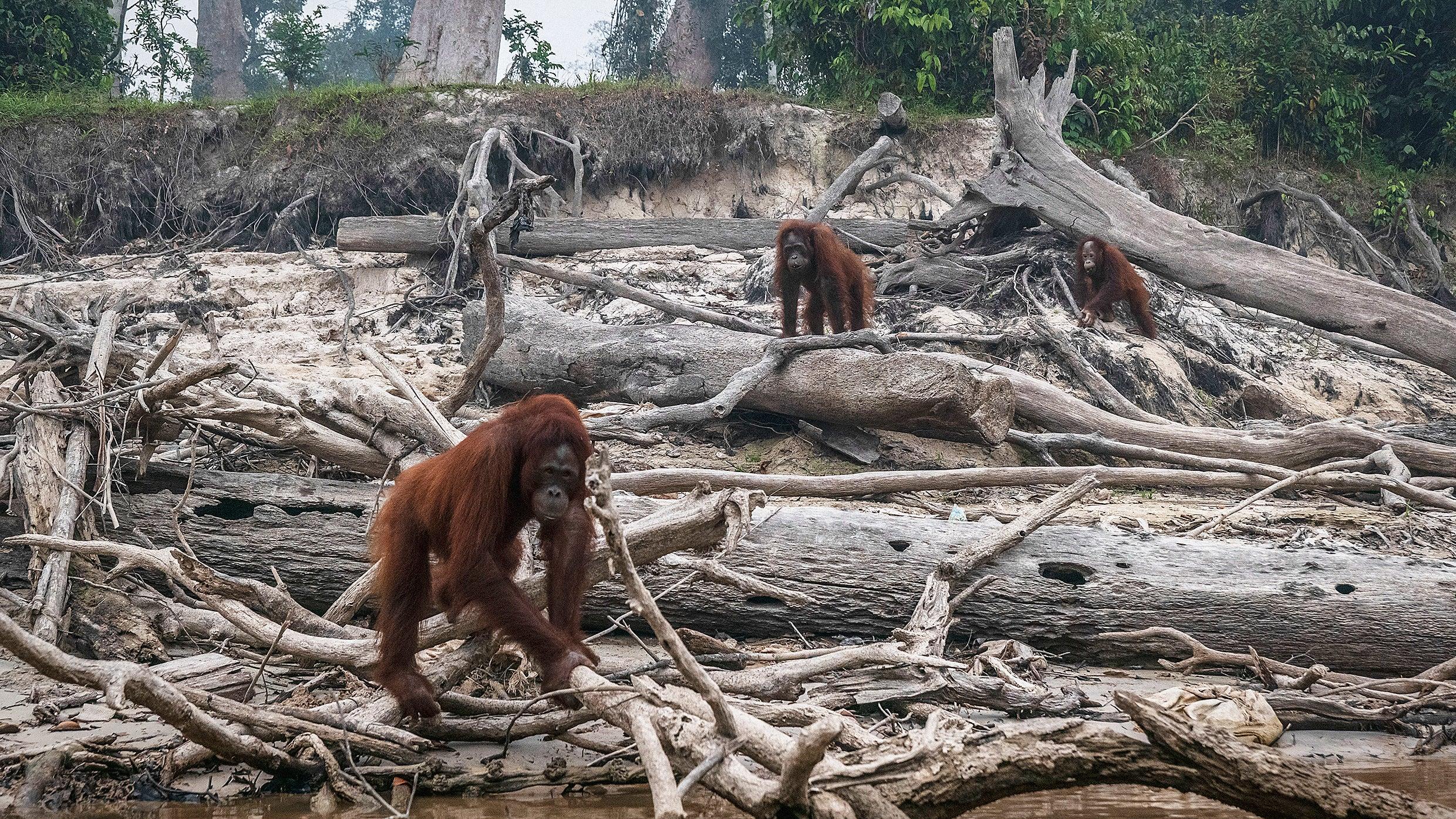
A thought-provoking question for everyone:
"If humans have the freedom to build houses wherever we want, what happens to the animals when we take away the only home they have ever known?"
